Horse shelters

In the wild, horses live on open plains. They only seek shelter from the elements and insects, and they are always vigilantly monitoring their surroundings. If they can't find shelter, they simply "go defensive," with their rump facing the wind, and wait for the storm to pass.
Can you own a horse without a stable? Of course! In fact, horses evolved to live and thrive outdoors. Their bodies and coats are designed to withstand various weather conditions. This adaptability makes it possible for horses to live comfortably without a stable or artificial shelter.
We humans build stables and shelters with our horses' comfort in mind, or at least we think so. In general, stables and even paddock shelters barely meet horses' needs, so horses that do have access to shelter often ignore it as the snow piles up on their backs.

And of course, the Horse blankets are not a substitute for shelter . A healthy horse with a full winter coat and shelter (natural or artificial) will be warmer than if kept with just a blanket and no shelter at all. That's why we should avoid shearing outdoor horses to help them retain their insulating coats in winter. When we shear them, we remove natural oils, disrupt Mother Nature's work, and can further complicate their overall health.
In winter, our desire to "care for" them by stalling them or providing multiple layers of blankets can backfire, as horses are unable to maintain their own thermostatic balance through their ability to move, sweat, and obtain the ventilation needed for lung health and dissipate moisture from the surface of their skin.

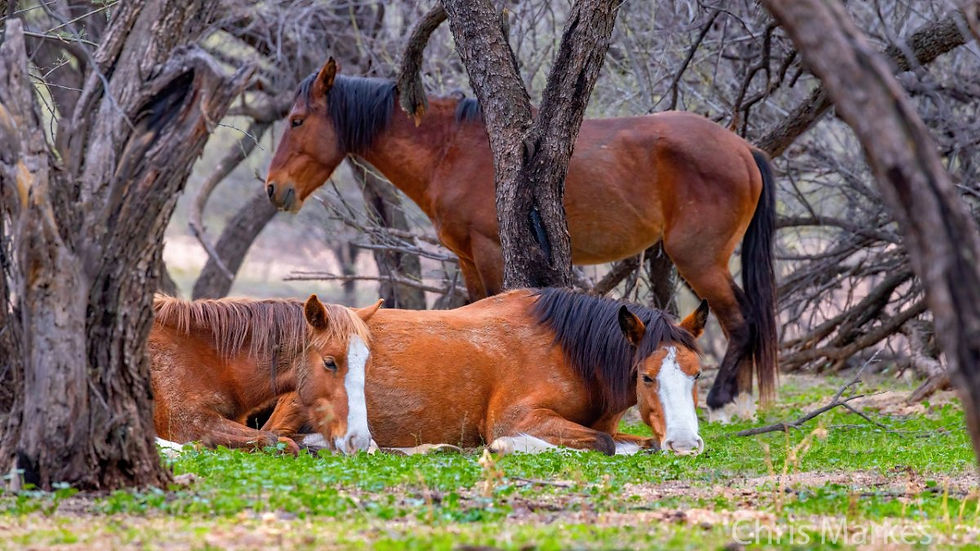
Forests, with their trees and vegetation such as shrubs, bushes, and other vegetation, in fields, are a natural refuge and provide habitat for wildlife. Trees block the wind, and the shade cast by the canopy of trees and shrubs creates small oases that retain moisture better and maintain a more stable temperature, creating a pleasant habitat for horses. In fact, wide, wooded meadows are wonderful and stimulating environments for horses, much better than a simple flat grass pasture.
In addition, as horses pass through and graze the undergrowth and browse on trees and shrubs, they supplement their diet, help prevent fires, and restore and manage forests by eating small portions of plants that they select as they move. This causes them to stir up the soil as they move and, with their feces, add organic matter to the soil surface, also helping to disperse species.
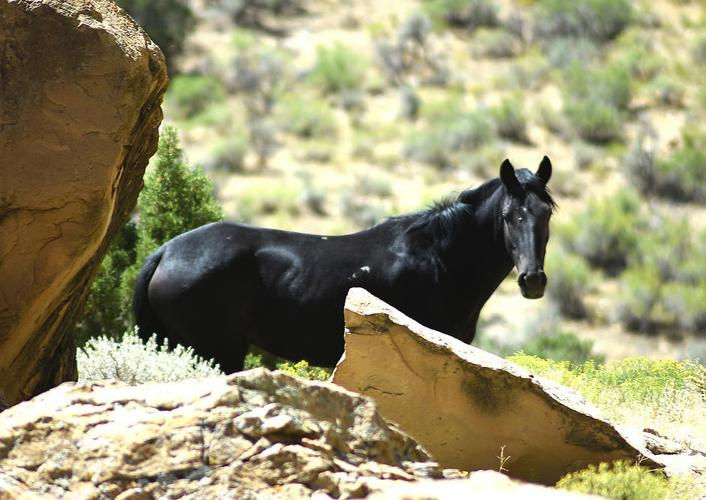
Horses can find shelter from rain or snow in the forest, under trees, ravines, or overhanging rocks.
They move under the thickest trees they can find to protect themselves from the rain or the strong sun. If there are rocky outcrops, they will know where they are and will use them, possibly on the leeward side of some hills or rock formations, or in canyons and ravines.

Horses huddle together to help keep warmer when it's cold, and turn their haunches toward the wind or rain so their faces avoid most of the water, snow, or dust.
Wild horses living in truly wild conditions combine biology and instinct to survive the winter. They can move freely in their environment to seek shelter from the wind and snow. They develop a dense coat in winter with long guard hairs and hair follicles that can stand the coat almost upright when it's cold, creating additional insulation. They develop a layer of fat during the summer and fall that adds another layer of protection against the cold in winter.

In extremely cold temperatures, horses need to burn calories to maintain a stable body temperature, and although they are very adaptable to low temperatures, a characteristic that has allowed them to thrive in diverse climates around the world, with access to adequate shelter, horses can tolerate temperatures as low as -40°C. This makes it possible for many horses to live outdoors year-round, even in climates with harsh winters.
But animals in the wild are also vulnerable to extreme conditions and generally have shorter lifespans than in captivity.
Domestic horses often lack access to the benefits nature provides. Almost all horses today are confined, whether in a stall, a paddock, or a small pasture. They depend on humans for food and water and often lack forest cover.

Many don't have winter coats because they're covered with blankets and sheared, while others have their winter coats partially clipped to make it easier for them to dry sweat during training in cold weather. Instead of restricting a horse's natural freedom, we must consciously provide appropriate substitutes for what we take from our horses.

So if they don't have access to forests or natural shelters where they live, we must provide adequate shelter for the horses; it is essential for their health, comfort, and well-being.
However, a poorly designed shelter can discourage horses from seeking shelter precisely when they need it most. Knowing the optimal equine shelter configuration is important for keeping horses comfortable and dry during inclement weather.

Sheds in paddocks and meadows provide easily accessible shelter from the elements. They also provide protection from insects that bite horses and can transmit diseases. Even when temperatures are within comfortable ranges, shelters can be used to keep out insects. Walk-through sheds are typically designed with three walls and an open front to allow free entry and exit.
It is also worth considering the possibility of a portable shelter that can be moved around the field to prevent horses from compacting the soil.
When installing an outdoor horse shelter, choosing the location is crucial, and it should be located within easy reach of horses. Factors such as material durability, safety, and ease of maintenance must also be considered. Horse sheds are typically constructed of wood or metal, or a combination of materials, and designed with three walls and an open front to allow for unrestricted entry and exit. The materials chosen must withstand the rigors of the weather, resist wear and tear, and provide a safe environment for the animals.

When setting up a shelter, the choice of base is crucial, especially in different climates and geographical environments. The shelter should be located in a well-drained area to prevent mud buildup and flooding.
Is It is best to set up the shelter in an area with a slight slope so that rainwater can drain away easily and keep the ground dry.
Excessive mud can discourage horses from using a shelter, and high moisture content in the surrounding soil can cause hoof problems. Proper mud management is important to keep horses safe when accessing a shelter.

The shelter roof should slope away from the entrance to prevent water from accumulating where horses enter and exit. This will also prevent mud from forming in high-traffic areas. It's best to build it at least 2.5 m high to allow for proper air circulation and prevent horses from hitting their heads on the roof.
Orient the shelter to provide maximum protection from prevailing weather patterns. Ideally, the open side of the shelter should be located away from prevailing winds to provide a windbreak and toward the direction of the winter sun to provide greater warmth in cold temperatures.

Size is one of the key factors to consider in design. Proper dimensions not only provide sufficient room for movement but also ensure the comfort and safety of the horses. The size of the shelter should be determined based on the number of horses, their size, and temperament.

To ensure the safety and proper functioning of your horse shed, regular inspection and maintenance are essential.
Dust, dirt, and debris can accumulate in the shelter, creating unpleasant odors and harboring bacteria and parasites that can affect the horse's health.
Therefore, it is important to perform basic cleaning tasks, such as removing dirt and manure from the floor, periodically replacing bedding, if present, and disinfecting the shelter with appropriate cleaning products.
In short, horses can live comfortably without a traditional shelter, but if they do not have access to forest or other natural shelters, it is recommended that they have access to a shelter built to protect them from inclement weather and insects. Although they often seem to not use it, it is better to build one and they will use it when they want.